

OUR
MISSION
To build a movement that affirms Latinx heritage through education, conservation, advocacy, and leadership development.

Those individuals included Desiree Aranda, Laura Dominguez, Sehila Mota Casper, Antonia Castañeda, Sarah Zenaida Gould, Belinda Faustinos, Luis Hoyos, Manuel Huerta, Julianne Polanco, Ray Rast, Josie S. Talamantez, and Eddie Torrez. Within three years, Sara Delgadillo, Betty Villegas, Marta V. Martínez, Moira Nadal, Yolanda Chávez Leyva, and Daniel Serda also joined the organization. Many of these individuals formed LHC’s founding board of directors. LHC was the brainchild of Desiree Aranda and Laura Dominguez, co-workers at San Francisco Heritage. The two were inspired by the work of Asian & Pacific Islander Americans in Historic Preservation (APIAHiP), which had been in existence since 2011. After attending a meeting of APIAHiP held in San Francisco in 2014, Desiree and Laura discussed the possibilities of a similar organization that focused on preserving Latinx heritage and mentoring emerging practitioners. As it was, they already communicated informally with other Latinx heritage advocates across the country, sharing strategies and offering support. The two reached out to other Latinx heritage conservationists, as well as Tanya Bowers, then Director of Diversity at the National Trust for Historic Preservation, and proposed a formalized network or coalition of practitioners and advocates who could better organize around threats to important Latinx heritage sites. Like many good ideas, different people in different places had simultaneously identified the need for such a coalition. Members of the Mexican American-based Westside Preservation Alliance in San Antonio, Texas, including Sarah Gould and Antonia Castañeda, had a similar thought. Sehila Mota Casper, then a master’s student in historic preservation at the Savannah College of Art and Design, wrote her thesis on the topic of Latino conservation practices and similarly called for a national strategy. In 2011, the National Park Service launched its American Latino Heritage Initiative and published American Latinos and the Making of the United States: a Theme Study in 2013. These federal efforts also spurred the momentum of a national grassroots movement to conserve sites of Latinx heritage. Several individuals involved in the American Latino Heritage Initiative―Antonia Castañeda, Ray Rast, Belinda Faustinos, and Luis Hoyos―joined the interest group. Other early members were engaged at the local level in California, including efforts to create a Latino Cultural District in San Francisco, to document and preserve cultural landscapes associated with the Chicano Movement in East Los Angeles, and to designate San Diego’s Chicano Park and its Monumental Murals as a National Historic Landmark. To gauge support for such a network, the group, now calling itself Latinos in Heritage Conservation (LHC), organized a session at the National Trust’s PastForward 2014 conference in Savannah, Georgia. The session, entitled, “Latinos in Heritage Conservation: Building a National Network,” garnered great interest and attracted new members to the group. During an informal happy hour following the conference session, Chicago-based architect and National Trust advisor Eddie Torrez proposed the idea of organizing a national gathering of Latinx heritage advocates in Tucson, Arizona within six months. His enthusiasm and energy was infectious, and everyone agreed to his spontaneous, but exciting proposition. Over the next six months, LHC organized its first solo event that eventually took place in Tucson, Arizona in May of 2015 with support from the Tucson Historic Preservation Foundation and the University of Arizona’s Heritage Conservation Program. It was during the Tucson summit when the members of LHC made the decision to become a nonprofit organization focused on advocacy, education, and leadership. Attendees identified national priorities and formed working committees, in addition to sharing experiences and learning about Tucson’s Mexican American heritage. In June of 2015, LHC executive committee member, Julie Polanco, was appointed State Historic Preservation Officer for California, requiring her to step down from the executive committee. Between 2015 and 2020, LHC held two additional national gatherings: Reunión 2016 in Houston and Encuentro 2018 in Rhode Island. In 2020, Latinos in Heritage Conservation incorporated as a nonprofit organization in the state of Arizona. Hartford, Connecticut-based architect and attorney, Sara Bronin, joined LHC as the newest board director that same year. In 2021, President Joe Biden nominated Bronin for the position of chair of the Advisory Council on Historic Preservation (ACHP). As of 2021, the work of LHC centers on the advancement and appointment of Latinxs to key federal historic preservation positions, including the Advisory Council on Historic Preservation and the NPS; support of local grassroots Latinx heritage conservation efforts and projects; and the development of our own Abuela’s Project―a multi-year preservation initiative to collect, curate, and amplify place-based stories. While LHC is a young organization, historic preservation in Latinx communities has a past. Out of view of mainstream preservationists, advocates have fought to save their longtime homes, neighborhoods, businesses, parks, and other community spaces. Most did so without formal training and did not call themselves preservationists, at least not at first. Nonetheless, they rooted themselves in the places that mattered most to them, often putting their bodies on the line to defend their belonging in their local communities and in the nation at large. Today’s advocates inherit these traditions of democratic participation, pride of place and culture, and resistance to social injustice from earlier generations of civil rights and ethnic studies movements. Then as now, we stand in solidarity with other groups whose histories, important places, and culture have been systematically erased, and we imagine a future in which our heritage is recognized as part and parcel of the American experience.


CORE VALUES
Community
Comunidad:
We build intergenerational belonging through collective action.
Equity Equidad:
We center Latinx voices and share power.
Wellbeing Bienestar:
We care for ourselves to sustain our people and cultures
Resistance
Resistencia:
We rise, resist, and repair injustice.
Justice
Justicia:
We uphold dignity, act with integrity, and stand in solidarity.
OUR COMMITMENT TO IDENTITY, LANGUAGE & HERITAGE
At Latinos in Heritage Conservation, we want to acknowledge something important: language and identity. We honor the diversity of Latinx experiences across the United States. Latinidad is not a monolith. There are many intersectional ties, histories, and cultural nuances that shape who we are. Given the centuries-long presence of Latinx communities on this land, it is natural that the terms we use to describe our identities continue to evolve. Social values and language shift over time, and what we use today may continue to change in the future. Many in our community identify as Latino, Latina, Latine, Hispanic, Chicano, Chicana, Tejano, Tejana, and many use other terms. When we at LHC use the term ‘Latinx’ today, it is an inclusive umbrella, honoring all voices, not erasing anyone’s identity. We also recognize that the term Latinx is not universally embraced. Some find it unfamiliar or tied more closely to academic and activist spaces than to everyday life. Others prefer terms rooted in family and local tradition. At LHC, we use Latinx because it reflects our vision of a just world that values Latinx heritage, people, and places, and it connects directly to our mission to build a movement that affirms Latinx heritage through education, conservation, and leadership development. For us, the term signals inclusion across gender identities, migration histories, and cultural experiences. Latinx is not meant to replace the words people choose for themselves. It is our way of honoring multiplicity while naming a collective movement for justice and preservation. As you learn about these sites, we invite you to reflect on the communities, histories, narratives, and identities that each place holds. Every site, building, and landmark carries many layers of meaning. They reflect the lived experiences, struggles, resilience, and creativity of the people connected to them. These places are not just physical spaces; they are storytellers. They reveal the complexity, richness, and depth of Latinidad across time and geography. Paying attention to these layers allows us to honor and preserve the full story of our communities. Our goal is to celebrate the richness and diversity of Latinidad, and to ensure that every story connected to these places is seen, valued, and preserved.
OUR STAFF


BOARD of DIRECTORS

Anna Lisa Escobedo
Chair
Visual artist, Event Producer, & Cultural Worker
California


Pedro Hernández
Co-Chair
California State Director, Green Latinos
California
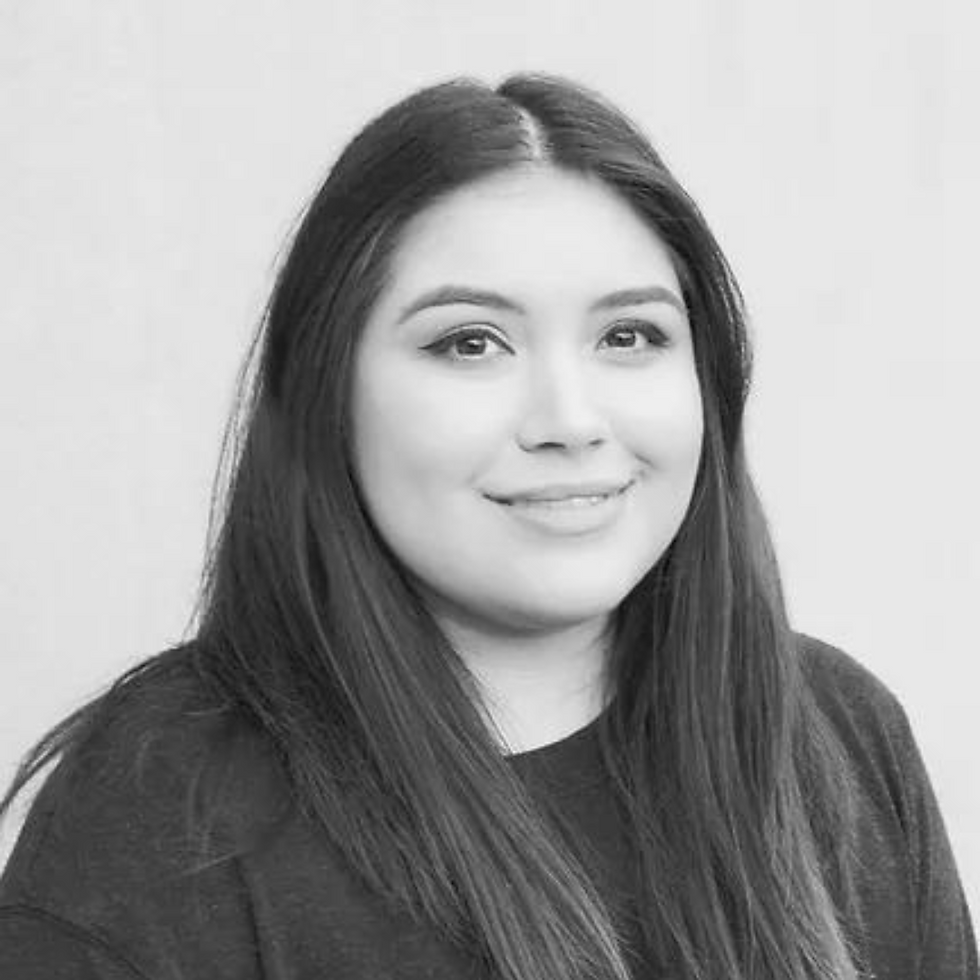
Valerie Delgadillo
Secretary
Digital Media Coordinator, UFW Foundation
California

Betty Villegas
Treasurer
President, Los Descendientes de Tucson
Arizona

Alison Garcia Kellar
Director at Large
Senior Architectural Historian at Environmental Science Associates
California

Amanda Davis
Director at Large
Executive Director, NYC LGBT Historic Sites Project
New York

Daisy Herrera Robles
Director at Large
PhD Student and President of Southwest Oral History Association, UC Riverside
California

Dalia Dorta de González
Director at Large
Mktg & Comms Director, Neocom Promo LLC
Colorado

Desiree Aranda
Director at Large
Historic Preservation Officer, City of Tucson
Arizona

Laura Dominguez, PhD
Director at Large
Historian
California

Linda McNulty Perez, PhD
Director at Large
Archaeologist and Historian
Washington
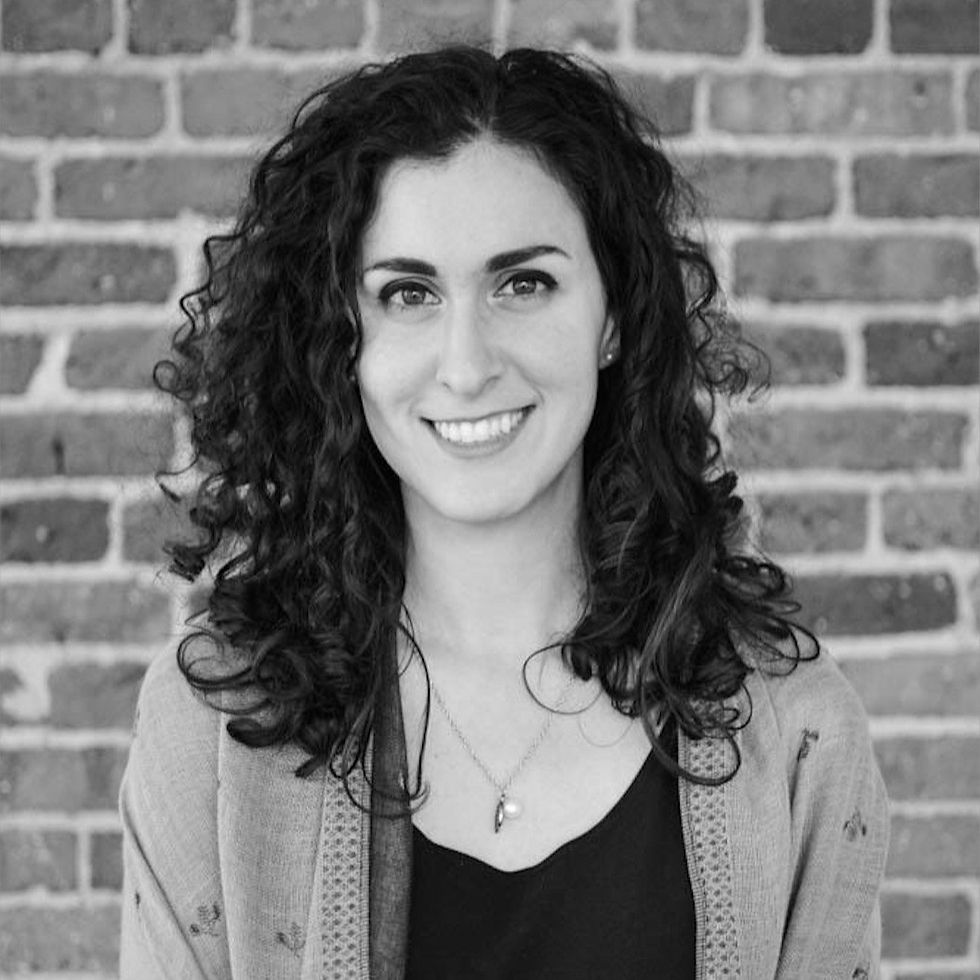
Mary Margaret Fernandez
Director at Large
Program Outreach Coordinator, National Trust for Historic Preservation, Preservation Initiatives Division
Burnsville, NC

Marta Martinez
Director at Large
Founder/Exec. Director, Rhode Island Latino Arts
Rhode Island

Norma Y. Ramirez Miess
Director at Large
President, Community and Downtown Revitalization Strategies + Norma Meiss, LLC.
Texas